
搜索到
97
篇与
的结果
-

-
-
istio istio是什么?Istio 是一种开源服务网格,可透明地分层到现有的分布式应用程序上。 Istio 的强大功能提供了一种统一且更高效的方式来保护、连接和监控服务。 Istio 是实现负载均衡、服务到服务身份验证和监控的途径 - 几乎无需更改服务代码。 功能: 使用双向 TLS 加密、强大的基于身份的身份验证和鉴权在集群中保护服务到服务通信 HTTP、gRPC、WebSocket 和 TCP 流量的自动负载均衡 使用丰富的路由规则、重试、故障转移和故障注入对流量行为进行细粒度控制 支持访问控制、限流和配额的可插入策略层和配置 API 集群内所有流量(包括集群入口和出口)的自动指标、日志和链路追踪 如何工作? Istio 使用代理来拦截您的所有网络流量,从而根据您设置的配置允许使用一系列应用程序感知功能。 控制平面采用您所需的配置及其对服务的视图,并动态地编程代理服务器,并根据规则或环境的变化对其进行更新。 数据平面是服务之间的通信。如果没有服务网格,网络就无法理解正在发送的流量,也无法根据流量类型、流量来源或目的地做出任何决策。 Istio 支持两种数据平面模式: Sidecar 模式,它会与您在集群中启动的每个 Pod 一起部署一个 Envoy 代理,或者与在虚拟机上运行的服务一同运行。(下面使用的了sidecar模式) Ambient 模式,它使用每个节点的四层代理,并且可选地使用每个命名空间的 Envoy 代理来实现七层功能。 一、部署#官网 https://istio.io/#下载 https://github.com/istio/istio/releases/download/1.28.2/istio-1.28.2-linux-amd64.tar.gz #解压 tar -zxvf istio-1.28.2-linux-amd64.tar.gz #部署 root@k8s-01:/woke/istio# ls istio-1.28.2 istio-1.28.2-linux-amd64.tar.gz root@k8s-01:/woke/istio# cd istio-1.28.2/ root@k8s-01:/woke/istio/istio-1.28.2# export PATH=$PWD/bin:$PATH root@k8s-01:/woke/istio/istio-1.28.2# istioctl install -f samples/bookinfo/demo-profile-no-gateways.yaml -y |\ | \ | \ | \ /|| \ / || \ / || \ / || \ / || \ / || \ /______||__________\ ____________________ \__ _____/ \_____/ ✔ Istio core installed ⛵️ Processing resources for Istiod. Waiting for Deployment/istio-system/istiod ✔ Istiod installed 🧠 ✔ Installation complete root@k8s-01:/woke/istio/istio-1.28.2# kubectl label namespace default istio-injection=enabled namespace/default labeled root@k8s-01:/woke/istio/istio-1.28.2# root@k8s-01:/woke/istio/istio-1.28.2# root@k8s-01:/woke/istio/istio-1.28.2# root@k8s-01:/woke/istio/istio-1.28.2# root@k8s-01:/woke/istio/istio-1.28.2# root@k8s-01:/woke/istio/istio-1.28.2# kubectl get crd gateways.gateway.networking.k8s.io NAME CREATED AT gateways.gateway.networking.k8s.io 2025-11-17T15:05:26Z root@k8s-01:/woke/istio/istio-1.28.2# kubectl get crd httproutes.gateway.networking.k8s.io NAME CREATED AT httproutes.gateway.networking.k8s.io 2025-11-17T15:05:26Z root@k8s-01:/woke/istio/istio-1.28.2# kubectl get crd gatewayclasses.gateway.networking.k8s.io NAME CREATED AT gatewayclasses.gateway.networking.k8s.io 2025-11-17T15:05:26Z root@k8s-01:/woke/istio/istio-1.28.2# root@k8s-01:/woke/istio/istio-1.28.2# root@k8s-01:/woke/istio/istio-1.28.2# kubectl get crd | egrep 'tlsroutes|tcproutes|udproutes|grpcroutes\.gateway\.networking\.k8s\.io' grpcroutes.gateway.networking.k8s.io 2025-11-17T15:05:26Z root@k8s-01:/woke/istio/istio-1.28.2# kubectl exec "$(kubectl get pod -l app=ratings -o jsonpath='{.items[0].metadata.name}')" -c ratings -- curl -sS productpage:9080/productpage | grep -o "<title>.*</title>" <title>Simple Bookstore App</title> root@k8s-01:/woke/istio/istio-1.28.2# kubectl apply -f samples/bookinfo/networking/bookinfo-gateway.yaml gateway.networking.istio.io/bookinfo-gateway created virtualservice.networking.istio.io/bookinfo created root@k8s-01:/woke/istio/istio-1.28.2# kubectl get gateway NAME CLASS ADDRESS PROGRAMMED AGE traefik-gw traefik True 25d root@k8s-01:/woke/istio/istio-1.28.2# kubectl get gateway NAME CLASS ADDRESS PROGRAMMED AGE traefik-gw traefik True 25d root@k8s-01:/woke/istio/istio-1.28.2# kubectl get pod -A | grep gateway root@k8s-01:/woke/istio/istio-1.28.2# root@k8s-01:/woke/istio/istio-1.28.2# root@k8s-01:/woke/istio/istio-1.28.2# kubectl get gateways.networking.istio.io -A kubectl get virtualservices.networking.istio.io -A NAMESPACE NAME AGE default bookinfo-gateway 2m55s NAMESPACE NAME GATEWAYS HOSTS AGE default bookinfo ["bookinfo-gateway"] ["*"] 2m55s root@k8s-01:/woke/istio/istio-1.28.2# kubectl get svc -n istio-system | egrep 'ingress|gateway' kubectl get pods -n istio-system | egrep 'ingress|gateway' root@k8s-01:/woke/istio/istio-1.28.2# root@k8s-01:/woke/istio/istio-1.28.2# root@k8s-01:/woke/istio/istio-1.28.2# istioctl install -y --set profile=demo istioctl: command not found root@k8s-01:/woke/istio/istio-1.28.2# ls bin LICENSE manifests manifest.yaml README.md samples tools root@k8s-01:/woke/istio/istio-1.28.2# export PATH=$PWD/bin:$PATH istioctl version client version: 1.28.2 control plane version: 1.28.2 data plane version: 1.28.2 (6 proxies) root@k8s-01:/woke/istio/istio-1.28.2# istioctl install -y --set profile=demo |\ | \ | \ | \ /|| \ / || \ / || \ / || \ / || \ / || \ /______||__________\ ____________________ \__ _____/ \_____/ ✔ Istio core installed ⛵️ ✔ Istiod installed 🧠 ✔ Egress gateways installed 🛫 ✔ Ingress gateways installed 🛬 ✔ Installation complete root@k8s-01:/woke/istio/istio-1.28.2# root@k8s-01:/woke/istio/istio-1.28.2# root@k8s-01:/woke/istio/istio-1.28.2# kubectl get pods -n istio-system | egrep 'istio-ingressgateway|istiod' kubectl get svc -n istio-system | egrep 'istio-ingressgateway' istio-ingressgateway-796f5cf647-n28c8 1/1 Running 0 107s istiod-5c84f8c79d-q7p2x 1/1 Running 0 91m istio-ingressgateway LoadBalancer 10.99.189.246 <pending> 15021:31689/TCP,80:32241/TCP,443:30394/TCP,31400:31664/TCP,15443:32466/TCP 107s #调通 root@k8s-01:/woke/istio/istio-1.28.2# kubectl port-forward -n istio-system svc/istio-ingressgateway 8080:80 Forwarding from 127.0.0.1:8080 -> 8080 Forwarding from [::1]:8080 -> 8080 Handling connection for 8080 #访问 root@k8s-01:/woke/istio/istio-1.28.2# curl -sS http://127.0.0.1:8080/productpage | grep -o "<title>.*</title>" <title>Simple Bookstore App</title> 1)更细的发布策略(不止权重灰度) 基于请求特征的灰度(更精准) 按 Header(用户/设备/地区/灰度标记) 按 Cookie(特定用户群) 按 URI(某些路径走新版本) 例子:带 x-canary: true 的请求走 v2,其余走 v1。 镜像流量(Shadow / Mirroring) 真实流量仍走 v1 同时“复制一份”给 v2 做压测/验证(不影响线上返回) 适合:验证新版本行为、性能。 2)限流与保护(Resilience) 超时 / 重试 / 连接池 timeout: 2s retries: attempts: 3 连接池限制(避免下游被打爆) 熔断 / 异常剔除(Outlier Detection) 连续 5xx 多就把某个 pod/实例踢出一段时间 故障注入(Chaos Testing) 人为注入延迟/错误(只对某类请求),验证系统韧性 3)流量控制与安全 mTLS 加密(服务到服务) 自动给网格内东西向流量加密 可做 STRICT/ PERMISSIVE 模式 配 PeerAuthentication / DestinationRule 细粒度访问控制(RBAC) 谁可以访问谁、什么路径、什么方法 支持基于 JWT claim、source principal、namespace、ip 等条件 用 AuthorizationPolicy JWT/OIDC 校验(API 鉴权) 在网关或服务侧校验 token(不必应用自己写) 用 RequestAuthentication + AuthorizationPolicy 4)入口网关能力(North-South) 多域名/多证书(HTTPS/TLS) Gateway 配多 SNI、证书、重定向 HTTP→HTTPS 路径重写/跳转/多服务路由 /api 去 A 服务、/web 去 B 服务 rewrite /v1 → / 等 速率限制(通常需配合 EnvoyFilter 或外部组件) 入口处做全局/按 key(IP、用户)限流 (Istio 原生 CRD 的“全局限流”需要看你用的扩展方案,常见是 Envoy ext-authz / ratelimit service) 5)可观测性(你在 Kiali/Prometheus 上看到的背后能力) 指标:QPS、P99、错误率、TCP 指标 分布式追踪:Jaeger/Zipkin/Tempo(需要装 tracing) 访问日志:Envoy access log(可输出到 stdout 或日志系统) 拓扑:Kiali 图里展示服务调用关系 6)多集群/多网格(更高级) 多集群同网格 跨集群服务发现与 mTLS East-West Gateway 给你一个“从 Bookinfo 出发最值得尝试”的 6 个玩法(上手快) Header 灰度:指定用户走 reviews v3 流量镜像:把部分流量镜像到 v3(不影响返回) 超时+重试:让 productpage 调 reviews 更稳定 熔断:reviews 出现错误时自动隔离坏实例 故障注入:只对某路径注入 2s 延迟测试体验 mTLS STRICT + 授权策略:禁止网格外/未授权服务访问 reviews
-
问题 调用 grafana 接口失败 error trying to reach service: dial tcp 10.244.2.60:3000: i/o timeout① 背景(30 秒) “有一次我们在 Kubernetes 集群里部署监控体系(Prometheus + Grafana),Grafana Pod 本身是 Running 的,但从节点或者其他组件访问 Grafana 的 Pod IP 的时候一直超时,curl 会直接 i/o timeout,影响监控平台的接入和联调。” “表面看 Grafana 是正常的,但网络层面存在异常。”② 问题拆解与排查思路(1 分钟) “我当时按分层排查的思路来做,而不是直接改网络策略。” 1️⃣ 先排除应用问题 我先 kubectl exec 进 Grafana Pod,直接 curl 127.0.0.1:3000/api/health 返回 200,说明 Grafana 本身没问题,端口监听正常 👉 这一步可以明确:不是应用、不是容器启动问题。 2️⃣ 再定位是 Service 层还是 Pod 网络问题 我确认 Service / Endpoint 都指向正确的 Pod IP 但从节点直接 curl PodIP 仍然超时 在同节点起一个临时 curl Pod 访问 PodIP,也同样超时 👉 这一步可以确定: 不是宿主机路由问题,而是 Pod 网络路径被拦截。 3️⃣ 确认 CNI 和隧道是否正常 集群使用的是 Cilium + VXLAN 我抓包看到 8472/UDP 的 VXLAN 流量是存在的 说明 overlay 隧道本身工作正常,否则整个集群通信都会异常 👉 到这里,网络连通性问题基本被排除。③ 关键突破点(40 秒) “真正的突破点是在 Cilium 的可观测工具 上。” 我在节点上执行了: cilium monitor --type drop 发现每一次访问 Grafana 3000 端口的 TCP SYN 都被丢弃 丢包原因非常明确:Policy denied 源身份显示为 remote-node 或 host 👉 这一步明确告诉我: 不是网络问题,而是被 Cilium 的策略明确拒绝了。④ 根因分析(30 秒) “回头检查发现,Grafana 所在命名空间里存在默认的 NetworkPolicy,只允许 Prometheus Pod 访问 Grafana 的 3000 端口。” 节点 / 宿主机访问 Grafana 时: 在 Cilium 里会被标记为 host 或 remote-node 并不属于普通 Pod identity 所以即使我用 Kubernetes NetworkPolicy 加了 ipBlock,依然无法命中这类流量 👉 本质原因是: Cilium 是以 identity/entity 为核心做策略决策,而不是单纯基于 IP。⑤ 解决方案(30 秒) “最终我使用的是 CiliumNetworkPolicy,显式放行来自节点的流量。” 在策略里允许: fromEntities: host fromEntities: remote-node 只放行到 Grafana 的 3000/TCP 应用策略后,从节点 curl PodIP 立刻恢复正常。⑥ 总结与价值(20 秒) “这个问题让我印象很深的一点是: 在使用 Cilium 这类 eBPF CNI 时,排查网络问题一定要用它自己的观测工具,而不是只停留在 Kubernetes NetworkPolicy 的抽象层。” “后续我也把这个问题整理成了 SOP,明确: Pod→Pod Node→Pod Service→Pod 在 Cilium 下对应的 identity 和策略差异,避免再踩坑。”面试官常见追问 & 标准答法(加分项) ❓追问 1:为什么 ipBlock 不生效? 答: “因为在 Cilium 里,Node / Host 流量优先按 identity(host / remote-node)匹配策略,而不是单纯按源 IP。 NetworkPolicy 的 ipBlock 在这类流量场景下不会命中,所以需要用 CiliumNetworkPolicy 的 fromEntities。” ❓追问 2:为什么不用 NodePort / LoadBalancer? 答: “NodePort 确实能绕开 Pod 网络策略,但会引入额外暴露面,不符合最小权限原则。 这里的目标只是节点内部访问 Pod 服务,用 CNI 级别策略精确放行更安全、更可控。” ❓追问 3:如何避免以后再发生? 答: 明确区分 Pod 流量 vs Node/Host 流量 在启用 Cilium 的集群里: 默认 NetworkPolicy + 例外的 CiliumNetworkPolicy 遇到网络问题第一时间用 cilium monitor / hubble observe 定位丢包原因,而不是盲改规则 🧠 面试官听到的“隐藏信号” 你这段回答会传递出几个非常强的信号: 你理解 CNI 底层实现,不只是会写 YAML 你会用 可观测工具定位问题 你做的是 体系化排障,而不是拍脑袋改配置 你有 复盘和沉淀能力 如果你愿意,下一步我还能帮你: 把这个案例改成 简历上的一条高质量项目经历 或模拟一次面试官“深挖追问”的对话,帮你把回答打磨到非常顺 你这个案例,放在 K8s 运维 / 平台工程 / SRE 面试里,是妥妥的加分项。root@k8s-01:~# cat > /tmp/cnp-allow-grafana-3000-from-nodes.yaml <<'EOF' apiVersion: cilium.io/v2 kind: CiliumNetworkPolicy metadata: name: allow-grafana-3000-from-nodes namespace: kuboard spec: endpointSelector: matchLabels: app.kubernetes.io/name: grafana ingress: - fromEntities: - host - remote-node toPorts: - ports: - port: "3000" protocol: TCP EOF kubectl apply -f /tmp/cnp-allow-grafana-3000-from-nodes.yaml kubectl -n kuboard get cnp | grep allow-grafana-3000-from-nodes ciliumnetworkpolicy.cilium.io/allow-grafana-3000-from-nodes created allow-grafana-3000-from-nodes 0s True root@k8s-01:~# curl -sS -m 3 http://10.244.2.60:3000/api/health { "database": "ok", "version": "11.2.0", "commit": "2a88694fd3ced0335bf3726cc5d0adc2d1858855" }root@k8s-01:~# 可以了 你现在是一个资深的k8s运维工程师 你帮我详细复盘分析之前的上下文 然后总结根因是什么?怎么解决的?为什么会出现这种情况 然后我想把这个问题也在面试上比如面试官问我 工作当中遇到了什么问题 可以说这个 我是怎么遇到这个问题的 过程尝试了用什么方法解决 然后最后怎么找到问题的 怎么解决的 下面我按“资深 K8s 运维复盘”的方式,把你这次 Grafana Pod IP 不通的问题完整复盘一遍:现象 → 排查路径 → 关键证据 → 根因 → 解决方案 → 为什么会这样。最后再给你一段面试可直接复述的 STAR/故事版本。 1)现象是什么 Pod 里 Grafana 本身是好的: kubectl exec grafana -- curl 127.0.0.1:3000/api/health 返回 OK 日志正常、监听正常(Grafana 启动成功) 但是从 宿主机 / 节点 访问 Pod IP 超时: curl http://10.244.2.60:3000/api/health → i/o timeout 从 同节点的测试 Pod 访问 Pod IP 也超时: 你在 k8s-01 强制调度了 curlimages/curl 去 curl PodIP,仍然 timeout 这说明:不是“宿主机路由不通”,而是“到 Pod 的流量在某处被拦截/丢弃” 2)你做了哪些正确的排查动作(过程复盘) A. 先确认应用是否健康(排除应用问题) 你先在 grafana 容器内 curl 自己: 容器内 OK → Grafana 服务与端口没问题 这一步很关键:把“应用/容器问题”先排掉。 B. 再验证网络路径(区分 host、pod、service) kubectl get svc/ep 确认 endpoint 就是 10.244.2.60:3000 curl PodIP 超时,说明不是 Service 负载均衡层的问题,而是到 endpoint 的流量被拦截 C. 检查 CNI 模式与隧道 你确认了 Cilium 配置: routing-mode: tunnel tunnel-protocol: vxlan 并且抓包能看到 8472/UDP 的 VXLAN 流量 进出(说明隧道本身在工作) 这一点也非常关键:overlay 通道是通的,否则集群内大量 Pod 通信都会异常。 D. 最关键的一步:用 Cilium 观测“丢包原因” 你执行: cilium monitor --type drop 立刻得到核心证据: xx drop (Policy denied) ... identity 6820->29952: 10.244.0.206 -> 10.244.2.60:3000 tcp SYN 以及后面: xx drop (Policy denied) ... identity remote-node->29952: 10.244.0.18 -> 10.244.2.60:3000 tcp SYN 这两条信息极其重要,等价于告诉你: 不是路由问题 不是端口没监听 是 Cilium 的策略(Policy)明确拒绝了 SYN 到这一步,根因已经锁定在 NetworkPolicy / CiliumPolicy 方向。 3)根因是什么(总结一句话版) Grafana 所在命名空间存在默认更严格的 NetworkPolicy(只允许 Prometheus Pod 访问 Grafana:3000),而节点/宿主机流量在 Cilium 里被标记成 remote-node/host 身份,不会被普通 K8s NetworkPolicy 的 ipBlock 命中,最终被 Cilium 以 Policy denied 丢弃。 再拆开说得更专业一点: 你原来的 NetworkPolicy(kuboard/grafana)是这样: ingress: - from: - podSelector: matchLabels: app.kubernetes.io/name: prometheus ports: - port: 3000 含义是: 只允许 prometheus 的 Pod 去访问 grafana 的 3000 其他来源(包括你从节点直接 curl PodIP)默认拒绝 为什么你加了 K8s NetworkPolicy(ipBlock)也没效果? 因为你的访问路径是“节点/宿主机 → Pod”: 从节点发起的流量到了 Cilium,会以 entity identity 来归类: host(本节点宿主机) remote-node(其他节点过来的 node traffic) 这类流量不是普通 Pod identity,很多情况下也不是单纯按源 IP去匹配 NetworkPolicy 的 ipBlock(尤其在 Cilium 的实现/模式下,优先按 identity 进行策略决策)。 所以你看到的现象就是: 你用 ipBlock: 192.168.1.0/24 放行 —— 依然被 remote-node identity 拒绝 你用 ipBlock: 10.244.0.0/16 放行 —— 依然被 remote-node identity 拒绝 而 cilium monitor 也明确显示拒绝原因是:Policy denied + identity remote-node->... 4)怎么解决的(你最终的正确做法) 你最终用了 CiliumNetworkPolicy: apiVersion: cilium.io/v2 kind: CiliumNetworkPolicy spec: endpointSelector: matchLabels: app.kubernetes.io/name: grafana ingress: - fromEntities: - host - remote-node toPorts: - ports: - port: "3000" protocol: TCP 这条规则的效果是: 明确放行 Cilium 的 entity host:本机宿主机进来的流量 remote-node:其他节点过来的 node 流量 只放行到 grafana pod 的 3000/TCP 所以你立刻在 k8s-01 上 curl PodIP 成功 5)为什么会出现这种情况(更“体系化”的解释) 1)装监控栈/平台时经常自带 NetworkPolicy 很多 kube-prometheus-stack / 平台化套件会默认创建 NetworkPolicy,实现“默认拒绝 + 白名单放行”,比如: Prometheus 可 scrape 其他来源默认不允许访问 UI/端口 这属于“安全默认值”,但会让排障时出现“明明 Pod Running,却访问超时”。 2)Cilium 对 Node/Host 流量有自己的 identity 体系 Cilium 的策略引擎不是只看 IP,而是以 identity/entity 为第一等公民: Pod 有 identity(基于 labels) Node/Host/Remote-node 是 entity 所以要放通 node→pod,最稳的是用 fromEntities: host/remote-node 这也是你最终方案成功的根本原因。 3)“Pod->Pod 通,Node->Pod 不通”是典型特征 因为: Pod→Pod 可能被某些 policy 放行了(或在同 namespace 里满足 selector) Node→Pod 不属于 podSelector 能匹配的对象,常被默认 deny 6)面试:如何把这件事讲成一个漂亮的“排障故事” 下面给你一个可直接背的版本(STAR + 技术细节),你按自己实际环境改两句就能用。 面试复述版本(建议 2~3 分钟) 背景(S) “我们在 K8s 集群里部署监控(Grafana/Prometheus),Grafana Pod Running,但业务方/运维侧从节点访问 Grafana API 一直 i/o timeout,影响监控平台接入和联调。” 任务(T) “我需要快速确认是应用问题、服务暴露问题还是集群网络策略问题,并给出可控的修复方案。” 行动(A) 先排除应用故障:进入 Grafana Pod 内部 curl 127.0.0.1:3000/api/health,确认服务健康、端口正常监听。 定位网络层级:从节点 curl PodIP 超时,同时在同节点跑一个临时 curl Pod 访问 PodIP 也超时,说明不是宿主机网络工具问题,而是集群网络路径被拦。 检查 CNI 与隧道:确认集群使用 Cilium,VXLAN 隧道 8472/UDP 有流量,说明 overlay 本身工作正常。 用可观测手段找“丢包理由”:运行 cilium monitor --type drop,发现对 Grafana:3000 的 SYN 被明确标记为 Policy denied,源身份显示为 remote-node/host。 回查 NetworkPolicy:发现 Grafana 命名空间有默认 NetworkPolicy,只允许 Prometheus Pod 访问 Grafana 3000,节点/宿主机流量不在白名单内,因此被 Cilium 拒绝。 修复策略:使用 CiliumNetworkPolicy 放行 fromEntities: host, remote-node 到 Grafana 的 3000/TCP,修复后节点 curl PodIP 立刻恢复。 结果(R) “Grafana API 访问恢复,监控平台联调继续推进。过程中我把排查步骤固化成 SOP:先应用健康检查→再分层定位→最后用 CNI 可观测工具确认策略/丢包原因,避免盲目改防火墙或路由。” 补充亮点(技术总结) “这类问题的关键点在于:Cilium 以 identity/entity 为核心做策略决策,Node/Host 流量常显示为 remote-node/host,单纯用 K8s NetworkPolicy 的 ipBlock 不一定能匹配到,需要用 CiliumNetworkPolicy 的 fromEntities 精准放行。”你是一个资深的k8s云原生运维工程师 你觉得碰到的这个问题有深度吗? 有,而且深度不在“Grafana 访问不通”这件事本身,而在你最后定位到的点:Cilium(eBPF)语义下,Host/Node 流量与 Pod 流量的身份模型差异,这已经超出“会用 K8s”的层级了。 我用面试官视角给你拆一下它为什么算“有深度”。 为什么这个问题有深度 1) 不是“网络不通”,是“策略语义不一致” 你一开始看到的是 timeout,很容易被带偏去查: VXLAN 8472/UDP、防火墙、路由、MTU、kube-proxy、Service/Endpoint 但最终根因是: NetworkPolicy 只放了 Prometheus 节点访问在 Cilium 里变成 host/remote-node identity 所以被 Policy denied 掉了 这属于 “抽象层(K8s NP) vs 实现层(Cilium identity/entity)”的差异问题,很典型也很难踩得准。 2) 你用的是“正确的高级排障工具链” 真正有经验的人会很快转向: cilium monitor --type drop / hubble 而不是一直“猜”。 你抓到的那句: drop (Policy denied) ... identity remote-node->... tcp SYN 这就是一锤定音的证据链。很多人排障卡住就是因为拿不到“谁丢的、为什么丢”。 3) 这是“集群行为”层面的知识点,不是某个组件 bug 你解决的不是 Grafana,也不是 curl,而是: CNI datapath identity-based enforcement node/host traffic classification NetworkPolicy 与 CiliumNetworkPolicy 的边界 这类问题在生产里经常发生在: metrics/health check 从节点探测 Pod ingress controller / node-local agent 访问业务 Pod 节点上跑的守护进程(daemonset 外部探测)访问 Pod 属于“平台层运维”常见痛点。 面试视角:它值不值得讲? 值得,尤其适合这些岗位: Kubernetes 运维 / 平台工程 / 云原生 SRE 网络/安全/可观测性方向 用 Cilium、Calico、Istio 的团队 但要注意一点: 你讲的重点一定要是“如何定位到 Policy denied + identity”,而不是“我改了很多 yaml”。 这题在“深度等级”大概在哪? 我会给它一个比较客观的分级: 初级:只会说“加个 NetworkPolicy 放行” 中级:知道分层排查(Pod 内 curl、Service、路由) 高级:能用 Cilium/Hubble 看到 Policy denied 并解释 host/remote-node identity 更高级:能进一步讲“为什么 ipBlock 不命中、为什么需要 fromEntities、如何标准化策略/避免误伤” 你这次已经到 高级门槛了。 如果你愿意,我还可以帮你把它再“拔高一档”——补上两句很能镇住面试官的话,比如: “我们在 Cilium 下把 Node->Pod 探测流量单独建了 fromEntities: host/remote-node 的 allowlist,避免跟业务 NP 混在一起。” “排查网络我会先看 datapath drop reason,避免在 overlay、iptables、policy 之间盲猜。” 你想把这题定位成你“最有含金量的一个案例”吗?我可以顺手帮你润色成简历 bullet。
-
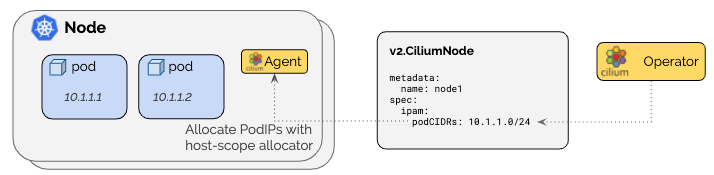
cilium部署 一、cilium介绍Cilium 本质上是一个 Kubernetes 的网络与安全组件(通常以 CNI 插件的身份安装),它用 eBPF 在 Linux 内核里实现:Pod/Service 的转发、网络策略(NetworkPolicy)、可观测性(流量可视化/追踪)、负载均衡,甚至部分服务网格能力。 可以把它理解成:“把 Kubernetes 网络、负载均衡和安全策略,尽量下沉到内核里做”,相比传统 iptables 方案更高性能、更可观测、策略能力更强。二、cilium是什么在 K8s 里,想让 Pod 能互通、能访问 Service、能做 NetworkPolicy,需要一个网络方案。Cilium 通常承担这些职责: 1. CNI(容器网络接口):给 Pod 分配 IP、配置路由/隧道/网卡,把 Pod 接入集群网络 2. Service 负载均衡实现:让访问 ClusterIP/NodePort/LoadBalancer 服务能正确转发到后端 Pod 3. 网络安全策略:实现 Kubernetes NetworkPolicy,甚至更强的 L3/L4/L7(HTTP/gRPC/DNS)策略 4. 网络可观测性:看到“谁在跟谁说话、延迟多少、丢包在哪里、命中了哪些策略” 5. (可选)替代 kube-proxy:用 eBPF 实现 Service 转发(kube-proxy replacement)三、cilium有什么用(解决了哪些痛点)A. 更快、更稳的转发与负载均衡 传统 kube-proxy 依赖 iptables/ipvs,规则多了会膨胀、调试困难。Cilium 用 eBPF 做转发和 LB: 1. 内核态快速转发(少走用户态/少遍历规则) 2. 大规模 Service/Endpoint 场景下更稳定 3. 更容易观测“为什么这次转发去了哪个后端、命中什么规则” B. 更强的安全能力(不仅是“允许/拒绝”) K8s 原生 NetworkPolicy 更多是 L3/L4(IP/端口)。Cilium 能做到更细: 1. 按 Pod 标签、命名空间、服务账户 做策略(身份感更强) 2. L7 策略(可选,通常依赖 Envoy): 3. 允许某些 HTTP Path / Method 4. gRPC 服务/方法级别控制 5. DNS 解析策略(允许访问哪些域名) C. 可观测性(排障神器) Cilium 自带/配套 Hubble(可选)可以做到: 1. 实时看流量(flow logs):谁访问了谁、是允许还是被拒绝、RTT、丢包 2. 快速定位:是 DNS 问题?策略拦了?还是 Service LB 选后端异常? D. 可选的高级能力(看你是否启用) 不同环境会选用其中一部分能力: 1. 透明加密(节点间/Pod 间加密) 2. BGP/路由通告(部分场景下替代或配合传统 LB) 3. Gateway API / Ingress(通过 cilium-envoy) 4. 多集群互联(ClusterMesh)三、cilium是怎么工作的(核心:eBPF 数据面)关键点:eBPF eBPF 是 Linux 内核机制,允许把程序挂到内核的网络钩子上(如 tc、XDP、cgroup),从而: 1. 在包进入/离开网卡、进入容器、进入 socket 前后做处理 2. 实现 NAT、负载均衡、策略过滤、可观测统计 3. 尽量减少 iptables 链式规则带来的复杂性 Cilium 常见组件(你 kubectl get pod -n kube-system 看到的那些) 1. cilium (DaemonSet):每个节点一个 agent,负责该节点上的转发/策略/eBPF 程序装载 2. cilium-operator (Deployment):做控制面工作(例如管理 IPAM、节点资源、状态同步等) 3. cilium-envoy (DaemonSet,可选):用于 L7 能力/Gateway/Ingress 等(不是所有场景都必须)四、IPAM 是什么IPAM = IP Address Management,就是“Pod 的 IP 从哪里来、怎么分配、怎么回收”。 Cilium 支持多种 IPAM 模式(不同环境选不同方式),常见两类理解: 1. kubernetes 模式:Pod IP 通常来自每个节点的 PodCIDR(例如你看到的 10.244.x.x) 2. cluster-pool / 等模式:由 Cilium 自己维护一个地址池分配(适合一些特定架构或需要 Cilium 管理地址的场景) 遇到的现象(Helm 改了 ipam.mode=kubernetes 但不重启不生效)很符合实际(后面案例): ConfigMap 改了 ≠ agent 自动 reload,Cilium agent 还是用旧配置跑着,所以要 rollout restart 让它重新读取配置并重新装载相关 datapath这两个模式本质上都在做一件事:给每个节点准备一段“Pod 子网(PodCIDR)”,然后由该节点上的 cilium-agent 在这段子网里给 Pod 分 IP。真正的核心区别只有一个: “每个节点的 PodCIDR 由谁来分配/作为事实来源(Source of Truth)? - cluster-pool / cluster-scope(默认):PodCIDR 由 Cilium Operator 分配,写到 v2.CiliumNode 里。 - kubernetes(Kubernetes Host Scope):PodCIDR 由 Kubernetes 分配,写到 v1.Node.spec.podCIDR(s) 里(依赖 kube-controller-manager 分配 Node CIDR)。cluster-pool / cluster-scope(Cilium 管 PodCIDR) 机制: - Cilium Operator 从你配置的 clusterPoolIPv4PodCIDRList 里切块,给每个节点分一个 PodCIDR,记录在 CiliumNode。 - 节点上的 cilium-agent 再从该 PodCIDR 里发放 Pod IP。 优点: - 不依赖 Kubernetes 给 Node 下发 PodCIDR:很多环境(尤其是你没法改 controller-manager 参数、或 K8s 不分配 PodCIDR 的场景)会更省事。 - 集群地址池扩容相对直观:池不够了可以往 clusterPoolIPv4PodCIDRList 追加新的 CIDR(注意是“追加”,不要改已有元素)。 - 支持 “集群多 CIDR”(多段池)——官方 IPAM 能力表里,cluster-scope 这一项是 缺点/坑点: - 和“标准 Kubernetes 语义”有点脱钩:因为 Node 的 spec.podCIDR 不是事实来源(可能为空或不一致),某些依赖 Node PodCIDR 的外部组件/脚本可能不适配(例如你自己写的自动化、某些网络周边控制器)。 - 默认池容易和节点网段冲突:文档明确提醒默认 10.0.0.0/8 如果跟节点网络重叠会直接炸(跨节点通信会被误判成 Pod 流量)。 - 控制面多了一个 CiliumNode(CRD)对象:排障时要懂它(但对运维来说也不算坏事)。ipam.mode=kubernetes(Kubernetes Host Scope,K8s 管 PodCIDR) 机制: - Cilium 从 Kubernetes Node 上读 spec.podCIDR(s),在该范围内分配 Pod IP。 - 文档强调:需要 kube-controller-manager 开启 --allocate-node-cidrs 才能给节点分 PodCIDR。 优点: - 最“原生 Kubernetes”:Node 的 spec.podCIDR 就是标准字段,很多周边组件、工具链、排障习惯都默认看它。 - 和集群初始化参数(如 kubeadm 的 --pod-network-cidr)天然一致:你想让 Pod 都落在 10.244.0.0/16 这种规划网段时更符合直觉。 - 配合云厂商/托管集群时,若平台本身就按 Node 分配 PodCIDR,这个模式更顺滑。 缺点: - 依赖 Kubernetes 能正确分配 Node PodCIDR:如果你的集群没开 allocate-node-cidrs、或托管环境不给 PodCIDR,这个模式会卡 Pod 分配/导致 Pod 起不来。 - “集群多 CIDR”不支持(能力表里 Kubernetes Host Scope 这项是 ❌)。 - 想扩容地址空间通常会牵涉更大范围的 K8s 网络规划调整(成本更高)。选哪个? 你能控制/确认 Kubernetes 会给 Node 分 PodCIDR(kubeadm 常见) → 优先选 ipam.mode=kubernetes:标准、兼容性好、排障直观。 你没法/不方便让 Kubernetes 分 PodCIDR,或希望 Cilium 自己掌控地址池(并可能需要多段 CIDR) → 选 cluster-pool/cluster-scope。Cilium 官方明确建议:不要在“存量集群”里随意切换 IPAM 模式,可能造成持续的网络中断风险;最安全是新集群按目标 IPAM 重装。你这次切换后通过重启恢复正常,说明你场景比较“干净”,但生产环境还是要非常谨慎。五、什么时候适合用 Cilium很适合这些场景: 1. 集群规模比较大、Service/Endpoint 多,追求性能和稳定性 2. 对 NetworkPolicy 有较强需求,想要更细粒度的安全控制 3. 经常排查网络问题,希望“看得见流量” 4. 想减少 kube-proxy/iptables 的复杂度 不一定要上满功能(比如 L7、Gateway、加密、BGP),很多团队只用它当高性能 CNI + NetworkPolicy + 可观测性,就已经很值了。六、ubuntu 22.04 部署Cilium前置条件(每个节点都要满足) Linux kernel ≥ 5.10(Ubuntu 22.04 默认一般是 5.15,通常没问题)。 uname -r6.1 方案 A:用 cilium-cli 快速安装(最省事)(我使用的是方案B)1) 安装 cilium-cli(在有 kubectl 的那台机器上) 按官方 quick install 文档的 Linux 安装方式: CILIUM_CLI_VERSION=$(curl -s https://raw.githubusercontent.com/cilium/cilium-cli/main/stable.txt) CLI_ARCH=amd64 if [ "$(uname -m)" = "aarch64" ]; then CLI_ARCH=arm64; fi curl -L --fail --remote-name-all \ https://github.com/cilium/cilium-cli/releases/download/${CILIUM_CLI_VERSION}/cilium-linux-${CLI_ARCH}.tar.gz{,.sha256sum} sha256sum --check cilium-linux-${CLI_ARCH}.tar.gz.sha256sum sudo tar xzvfC cilium-linux-${CLI_ARCH}.tar.gz /usr/local/bin rm cilium-linux-${CLI_ARCH}.tar.gz{,.sha256sum} 2) 安装 Cilium(作为 CNI) 官方示例(以文档当时的 stable 版本为例 1.18.5): cilium install --version 1.18.53) 验证 cilium status --wait cilium connectivity test6.2 方案 B:用 Helm 安装(方便走 GitOps/精细配置)官方 Helm 安装入口: 1) 添加 Helm 仓库并安装 helm repo add cilium https://helm.cilium.io/ helm repo update helm install cilium cilium/cilium --version 1.18.5 --namespace kube-system2) 验证 cilium status --wait cilium connectivity test # 安装前 root@k8s-master-01:~# ls -l /etc/cni/net.d/ total 8 -rw-r--r-- 1 root root 664 Dec 23 01:17 10-calico.conflist -rw------- 1 root root 2796 Dec 23 01:17 calico-kubeconfig # 安装后 会把calico重命名 默认使用的cilium root@k8s-master-02:~# ls -l /etc/cni/net.d/ total 12 -rw------- 1 root root 191 Dec 23 02:01 05-cilium.conflist -rw-r--r-- 1 root root 664 Dec 23 01:17 10-calico.conflist.cilium_bak -rw------- 1 root root 2796 Dec 23 01:17 calico-kubeconfig 6.3 此时集群有两个cni插件Calico 没删时,Cilium + Calico 会不会冲突? 默认会(除非你明确配置了 CNI chaining 让两者协同)。常见情况是: 1. 现有 Pod:基本还是走 Calico(它们创建时用的就是 Calico 的 CNI),短时间内通常还能通信。 2. 新建 Pod:如果 Cilium 已经把自己的 CNI 配置写进了 /etc/cni/net.d/,而且文件排序优先级比 Calico 高,那么新 Pod 可能会用 Cilium。这样集群就会出现“一部分 Pod 用 Calico,一部分用 Cilium”的混用状态——这时 Pod-Pod 通信非常容易出问题(跨节点路由/overlay/iptables/BPF 规则不一致)。 3. 另外,两套 agent 都在节点上跑,也可能同时改动路由、iptables、BPF 挂载/系统参数,带来不可预期的问题。 需要提前做好预案 删除calico的同时需要把所有的控制器资源如deploy 同时rollout restart 把cni切换成cilium否则就会出现上面说的情况6.4 升级切换# 这个看你需求上面有说 要说的一点是 改 ConfigMap 之后,Cilium agent / operator 通常需要重启才能读取新配置并重建 datapath。 root@k8s-master-01:~# helm upgrade cilium cilium/cilium \ -n kube-system \ --version 1.18.5 \ --reuse-values \ --set ipam.mode=kubernetes Release "cilium" has been upgraded. Happy Helming! NAME: cilium LAST DEPLOYED: Tue Dec 23 02:28:01 2025 NAMESPACE: kube-system STATUS: deployed REVISION: 2 TEST SUITE: None NOTES: You have successfully installed Cilium with Hubble. Your release version is 1.18.5. For any further help, visit https://docs.cilium.io/en/v1.18/gettinghelp kubectl -n kube-system rollout restart ds/cilium kubectl -n kube-system rollout restart ds/cilium-envoy kubectl -n kube-system rollout restart deploy/cilium-operator# 查看 给每个node节点分配的IP段 IPAM root@k8s-master-01:~# kubectl get node -o custom-columns=NAME:.metadata.name,PODCIDR:.spec.podCIDR,PODCIDRS:.spec.podCIDRs NAME PODCIDR PODCIDRS k8s-master-01 10.244.0.0/24 [10.244.0.0/24] k8s-master-02 10.244.1.0/24 [10.244.1.0/24] k8s-node-03 10.244.2.0/24 [10.244.2.0/24] k8s-node-04 10.244.3.0/24 [10.244.3.0/24] #为什么会有PODCIDRS和PODCIDR 这是因为k8s后面支持IPV4和IPV6 老的支持支单IP 新的支持数组 多IP配置root@k8s-master-01:~# kubectl get pod -n kube-system -o wide NAME READY STATUS RESTARTS AGE IP NODE NOMINATED NODE READINESS GATES cilium-envoy-655sx 1/1 Running 0 6h50m 192.168.30.160 k8s-master-01 <none> <none> cilium-envoy-6f6jv 1/1 Running 0 6h50m 192.168.30.163 k8s-node-04 <none> <none> cilium-envoy-7w54q 1/1 Running 0 6h50m 192.168.30.161 k8s-master-02 <none> <none> cilium-envoy-fg7q6 1/1 Running 0 6h50m 192.168.30.162 k8s-node-03 <none> <none> cilium-fsq6s 1/1 Running 0 6h50m 192.168.30.161 k8s-master-02 <none> <none> cilium-g4c79 1/1 Running 0 6h50m 192.168.30.162 k8s-node-03 <none> <none> cilium-jxmh5 1/1 Running 0 6h50m 192.168.30.160 k8s-master-01 <none> <none> cilium-operator-84cd4f9cb8-nqtlp 1/1 Running 0 6h50m 192.168.30.161 k8s-master-02 <none> <none> cilium-operator-84cd4f9cb8-vtphd 1/1 Running 0 6h50m 192.168.30.160 k8s-master-01 <none> <none> cilium-w4jqv 1/1 Running 0 6h50m 192.168.30.163 k8s-node-04 <none> <none> coredns-6d58d46f65-2sbtg 1/1 Running 0 6h50m 10.244.2.180 k8s-node-03 <none> <none> coredns-6d58d46f65-z4l4l 1/1 Running 0 6h50m 10.244.3.158 k8s-node-04 <none> <none> etcd-k8s-master-01 1/1 Running 5 (8h ago) 2d4h 192.168.30.160 k8s-master-01 <none> <none> etcd-k8s-master-02 1/1 Running 1 (8h ago) 2d3h 192.168.30.161 k8s-master-02 <none> <none> kube-apiserver-k8s-master-01 1/1 Running 2 (8h ago) 2d4h 192.168.30.160 k8s-master-01 <none> <none> kube-apiserver-k8s-master-02 1/1 Running 1 (8h ago) 2d3h 192.168.30.161 k8s-master-02 <none> <none> kube-controller-manager-k8s-master-01 1/1 Running 7 (8h ago) 2d4h 192.168.30.160 k8s-master-01 <none> <none> kube-controller-manager-k8s-master-02 1/1 Running 1 (8h ago) 2d3h 192.168.30.161 k8s-master-02 <none> <none> kube-proxy-44cbs 1/1 Running 1 (8h ago) 2d4h 192.168.30.160 k8s-master-01 <none> <none> kube-proxy-bjjb2 1/1 Running 1 (8h ago) 2d3h 192.168.30.163 k8s-node-04 <none> <none> kube-proxy-bvptw 1/1 Running 1 (8h ago) 2d3h 192.168.30.161 k8s-master-02 <none> <none> kube-proxy-m5dt2 1/1 Running 1 (8h ago) 2d3h 192.168.30.162 k8s-node-03 <none> <none> kube-scheduler-k8s-master-01 1/1 Running 6 (8h ago) 2d4h 192.168.30.160 k8s-master-01 <none> <none> kube-scheduler-k8s-master-02 1/1 Running 2 (8h ago) 2d3h 192.168.30.161 k8s-master-02 <none> <none> 只要你的业务是多副本/有滚动策略,通常只是“抖一下”,不会全断;单副本服务会有短暂不可用,这是任何 CNI 迁移都绕不开的。 #部署前 root@k8s-master-01:~# ls -l /etc/cni/net.d/ total 8 -rw-r--r-- 1 root root 664 Dec 23 01:17 10-calico.conflist -rw------- 1 root root 2796 Dec 23 01:17 calico-kubeconfig #部署后 会把calico重命名 后续pod的创建会默认走cilium 所以cilium启动好后 需要把所有业务pod 都重启一遍 root@k8s-master-01:~# ls -l /etc/cni/net.d/ total 12 -rw------- 1 root root 191 Dec 23 02:03 05-cilium.conflist -rw-r--r-- 1 root root 664 Dec 23 01:17 10-calico.conflist.cilium_bak -rw------- 1 root root 2796 Dec 23 01:17 calico-kubeconfig七、Cilium组件 7.1 Cilium Agent(DaemonSet,每节点 1 个)这是 Cilium 的核心,每个节点都必须有。 主要功能: eBPF 数据面加载与维护 - 在节点内核里加载 eBPF 程序(TC/XDP、cgroup hooks 等),实现 Pod 之间转发、Service 负载均衡、网络策略等。 - 维护 Cilium 的 BPF maps(相当于内核里的高性能“路由/连接/策略表”)。 管理 Pod/Endpoint 生命周期 - 监听 K8s(Pod/Service/EndpointSlice/Node 等)变化,创建/更新 CiliumEndpoint 等资源。 - 负责把“这个 Pod 的 IP/身份/策略”下发到本节点的数据面。 Kubernetes Service 转发(L4) - 用 eBPF 做 Service 的四层负载均衡、DNAT/SNAT、session affinity 等(即使你没开 kube-proxy replacement,也会参与很多转发能力)。 NetworkPolicy 落地 - 处理 K8s NetworkPolicy / CiliumNetworkPolicy / CiliumClusterwideNetworkPolicy,转换成 eBPF 可执行的规则。 可选能力 - Hubble(可观测)、加密(WireGuard/IPsec)、eBPF HostRouting、Egress Gateway、带宽管理等(取决于你装的时候开没开)。 一句话:cilium Pod 就是每个节点的“网络内核驱动 + 控制代理”。7.2 Envoy 代理(DaemonSet,每节点 1 个)这是 L7/Ingress/Gateway API 等功能的“七层代理执行器”。 Cilium 本身用 eBPF 擅长 L3/L4(IP/端口/连接层面的东西),但如果你要做这些就需要 Envoy: - L7 网络策略(HTTP/gRPC/Kafka 等按域名、路径、方法、Header 的策略) - Ingress / Gateway API(很多场景由 Envoy 承担实际转发) - TLS 终止/重加密、L7 可观测(看你启用的功能) 工作方式通常是: - cilium agent 用 eBPF 把某些流量“重定向”给本机的 cilium-envoy - Envoy 做完七层处理后再把流量送回去继续转发 一句话:cilium-envoy 是 Cilium 的 L7 扩展引擎。7.3 Cilium Operator(Deployment,集群级 1~2 个)这是 集群级控制面组件,不需要每节点一个。 它主要负责“跨节点/全局”的事情,比如: 1.IPAM/地址相关的集群级管理 - 你现在 ipam: kubernetes:PodCIDR 是 Kubernetes 控制器分给 Node 的,agent 按 Node 的 PodCIDR 分配 Pod IP。 - 即便如此,operator 仍会参与一些 Node/CRD 的维护工作(不同版本细节略有差异)。 2.LB-IPAM(你已经开启) - 你 config 里 enable-lb-ipam: "true"、default-lb-service-ipam: lbipam - 这意味着:当你创建 type: LoadBalancer 的 Service 时,Cilium 可以用 LB-IPAM 给它分配外部 IP(来自你配置的地址池/策略)。 - 这类“全局分配/回收”的事通常由 operator 负责协调,agent 负责在节点上落实转发。 3.管理/清理一些全局资源 - 例如身份(identity)相关、旧对象回收、状态一致性维护等(具体看你启用的功能和版本)。 一句话:cilium-operator 是 Cilium 的“集群级大管家”,负责全局资源协调。八、开启UI#最简单一把梭 helm upgrade cilium cilium/cilium -n kube-system --version 1.18.5 --reuse-values \ --set hubble.relay.enabled=true \ --set hubble.ui.enabled=true \ --set hubble.ui.service.type=NodePort 九、开启kube-proxy-free 代替集群原来的 kube-proxy用 kubeconfig 里的 server 作为 k8sServiceHost 在 master 上执行,看看你的 kubeconfig 当前指向哪个 apiserver(通常是 VIP/LB,强烈建议用 VIP/LB,不要写死单个 master IP): root@k8s-master-01:~# kubectl config view --minify -o jsonpath='{.clusters[0].cluster.server}'; echo https://192.168.30.58:16443 helm upgrade cilium cilium/cilium -n kube-system --version 1.18.5 --reuse-values \ --set kubeProxyReplacement=true \ --set k8sServiceHost=192.168.30.58 \ --set k8sServicePort=6443 kubectl -n kube-system rollout restart ds/cilium kubectl -n kube-system rollout restart deploy/cilium-operator 验证是否开启 root@k8s-master-01:~# kubectl -n kube-system exec ds/cilium -- cilium-dbg status | grep KubeProxyReplacement KubeProxyReplacement: True [ens33 192.168.30.160 192.168.30.58 fe80::20c:29ff:fef6:2d (Direct Routing)]#备份 kubectl -n kube-system get ds kube-proxy -o yaml > kube-proxy.ds.yaml kubectl -n kube-system get cm kube-proxy -o yaml > kube-proxy.cm.yaml #删除 kube-proxy DaemonSet + ConfigMap(官方推荐连 CM 也删,避免 kubeadm 升级时装回来 kubectl -n kube-system delete ds kube-proxy kubectl -n kube-system delete cm kube-proxy #每个节点清理遗留 KUBE* iptables 规则(官方给的命令) 不能随便执行 如果你节点上面有特定的规则 还有就是执行后 ssh会连接不上 实在要执行先执行前面这两条 保证ssh和已建立连接永久放行 iptables -I INPUT 1 -m conntrack --ctstate ESTABLISHED,RELATED -j ACCEPT iptables -I INPUT 2 -p tcp --dport 22 -j ACCEPT iptables-save | grep -v KUBE | iptables-restore十、开启Gateway api#安装 Gateway API 的 standard CRDs(否则 apiserver 里没有 Gateway/GatewayClass/HTTPRoute 这些资源) kubectl apply --server-side=true -f \ https://github.com/kubernetes-sigs/gateway-api/releases/download/v1.2.0/standard-install.yaml #在 Cilium 里开启 Gateway API Controller helm upgrade cilium cilium/cilium -n kube-system --version 1.18.5 --reuse-values \ --set gatewayAPI.enabled=true#选择暴露方式(二选一) 有 LoadBalancer 能力(云 LB / MetalLB):不用 hostNetwork(默认走 LB Service) 没有 LoadBalancer 能力(你这种裸金属常见):开启 hostNetwork helm upgrade cilium cilium/cilium -n kube-system --version 1.18.5 --reuse-values \ --set gatewayAPI.enabled=true \ --set gatewayAPI.hostNetwork.enabled=true#案例 root@k8s-master-01:~# cat nginx.yaml apiVersion: v1 kind: Namespace metadata: name: webs --- apiVersion: apps/v1 kind: Deployment metadata: name: nginx namespace: webs spec: replicas: 1 selector: matchLabels: app: nginx template: metadata: labels: app: nginx spec: containers: - name: nginx image: registry.cn-guangzhou.aliyuncs.com/xingcangku/nginx:1.18 ports: - containerPort: 80 --- apiVersion: v1 kind: Service metadata: name: nginx-svc namespace: webs spec: selector: app: nginx ports: - name: http port: 80 targetPort: 80 --- apiVersion: gateway.networking.k8s.io/v1 kind: Gateway metadata: name: nginx-gw namespace: webs spec: gatewayClassName: cilium listeners: - name: http protocol: HTTP port: 8080 hostname: nginx.axzys.cn allowedRoutes: namespaces: from: Same --- apiVersion: gateway.networking.k8s.io/v1 kind: HTTPRoute metadata: name: nginx-route namespace: webs spec: parentRefs: - name: nginx-gw sectionName: http hostnames: - nginx.axzys.cn rules: - matches: - path: type: PathPrefix value: / backendRefs: - name: nginx-svc port: 80 root@k8s-node-04:~# curl -H 'Host: nginx.axzys.cn' http://192.168.30.160:8080/ no healthy upstreamroot@k8s-node-04:~# curl -H 'Host: nginx.axzys.cn' http://192.168.30.160:8080/ no healthy upstreamrcurl -H 'Host: nginx.axzys.cn' http://192.168.30.160:8080/ | head30.160:8080/ | head % Total % Received % Xferd Average Speed Time Time Time Current Dload Upload Total Spent Left Speed 100 612 100 612 0 0 21315 0 --:--:-- --:--:-- --:--:-- 21857 <!DOCTYPE html> <html> <head> <title>Welcome to nginx!</title> <style> body { width: 35em; margin: 0 auto; font-family: Tahoma, Verdana, Arial, sans-serif; } 在浏览器中显示需要hosts文件中添加上